
How I Grow the Flowers That Go Into My Paintings
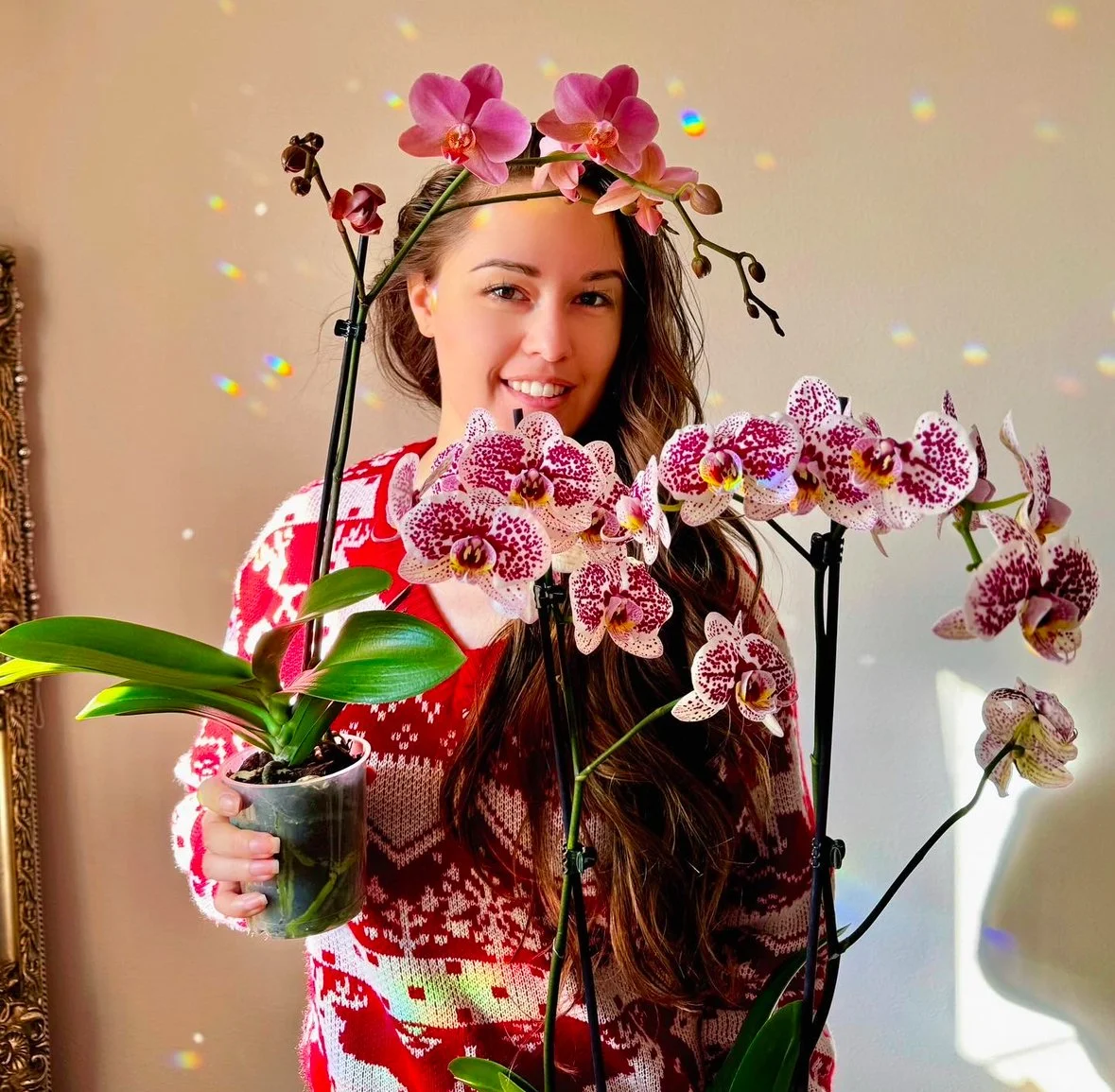
One of the things people always notice when they look closely at my work is the botanicals — the real flowers and petals embedded in the layers. And when I tell them that I grew most of them myself, here in Southern Utah, it tends to surprise people.It probably shouldn't. The growing is part of the making for me. It always has been.
I tend two very different kinds of gardens, which I think says something about the tension that lives in my work generally.
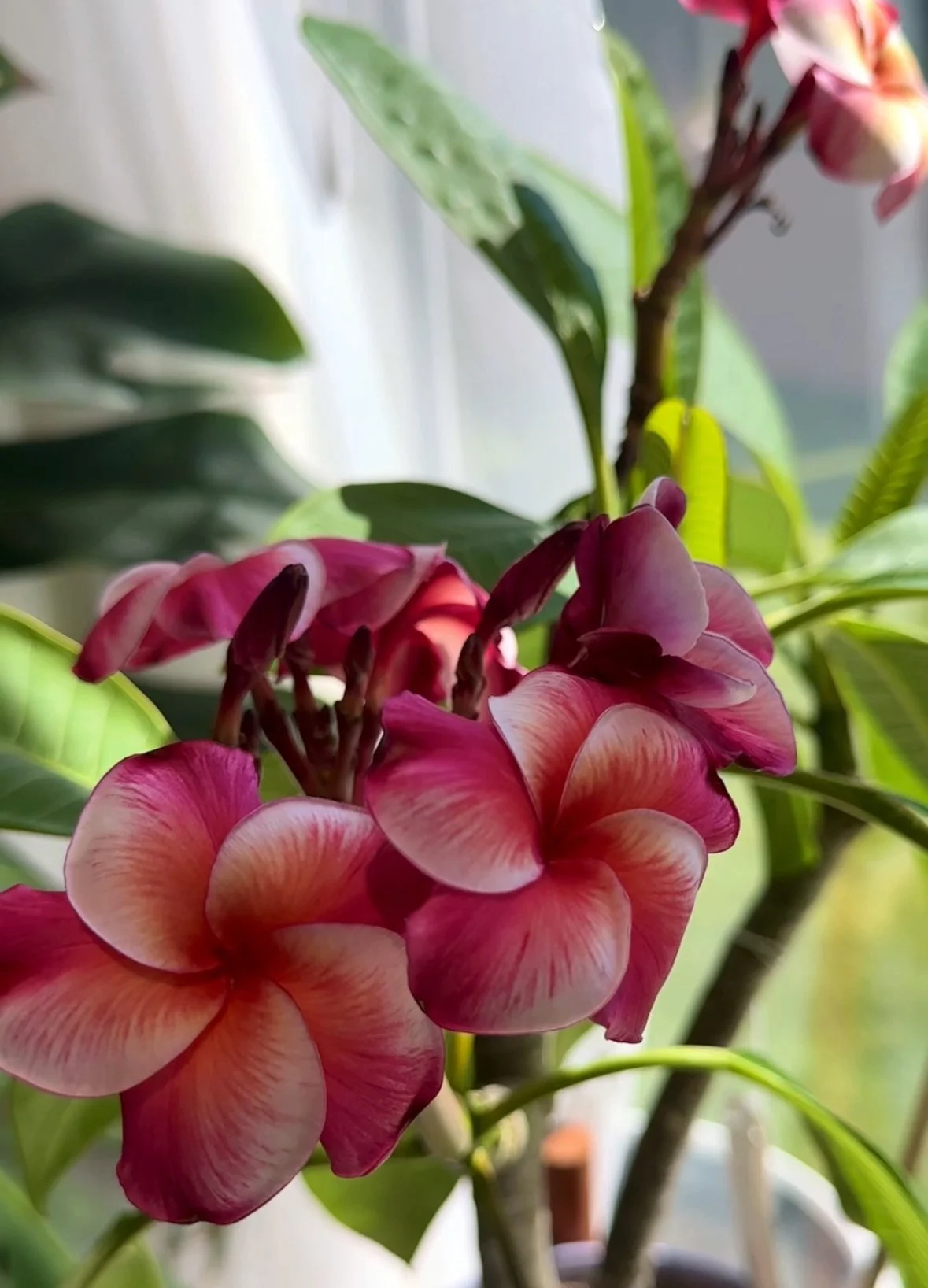
Inside and on our patio — rotating with the seasons — I grow tropical flowers. Hibiscus. Orchids. My husband grows plumerias, which he loves with a dedication that I find both admirable and slightly obsessive. These plants are not desert plants. They require constant attention in this climate — careful watering, temperature monitoring, being moved indoors when the seasons shift. They have no business thriving in Southern Utah and yet here they are, in pots on our patio, blooming anyway.
I use these almost exclusively in my paintings. The hibiscus, the orchids, the occasional plumeria — these are the flowers that show up in my work. I'd say I grow about 90% of what I use myself. When I can't, I source from a supplier I trust. But there's a difference I feel between embedding something I watched bloom over weeks and something that arrived in a box. Both can be beautiful. But one carries more of my time.
Then there's my in-ground garden, which is a completely different world. Out there I grow things that actually belong here — cactus flowers, cosmos, strawflower, zinnias. These I grow mostly because I love growing flowers, full stop. The desert garden isn't primarily a materials source. It's just where I go to feel something settle.
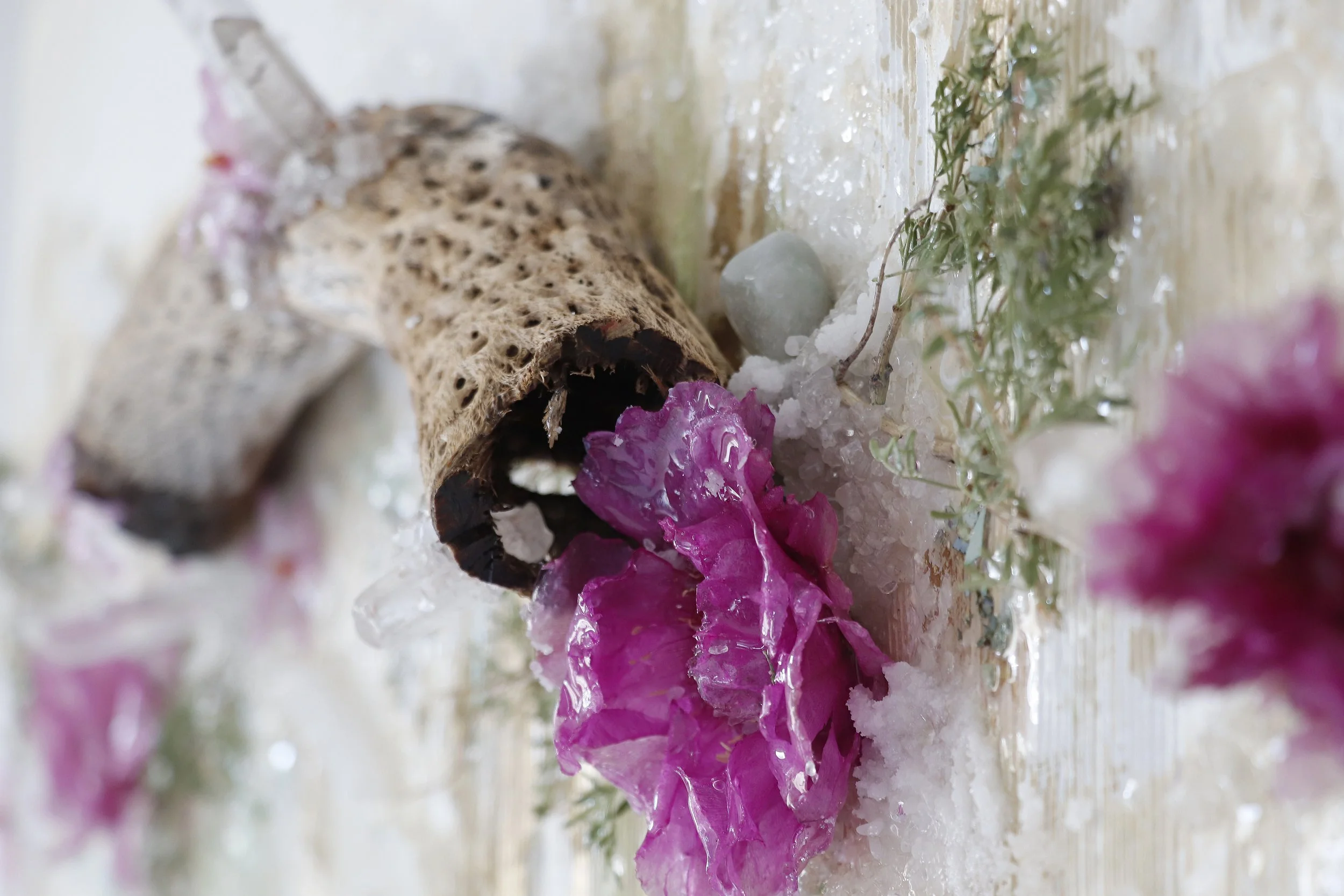
Though I did try working with cactus flowers once.
I will not be doing that again anytime soon. What I didn't fully account for — until my hands were already deep in it — is that cactus flowers come with thorns. Tiny, persistent, absolutely committed thorns. Working with them was genuinely difficult and I have a new respect for anything brave enough to bloom off a cactus. The painting exists. My patience was tested. Both survived.
The tropical flowers are the ones that make it into the work most consistently, and that feels right to me. There's something about the fact that these plants — orchids, hibiscus, the plumerias my husband tends so carefully — have no natural reason to be growing in a Utah desert. They're here because we brought them here. Because we tend them in conditions they weren't made for. Because we love them enough to make it work.
That's not so different from how I feel about being Hawaiian in Southern Utah. You carry the things that belong to you. You find ways to keep them alive in new terrain.
The harvesting is timed carefully. I pick at peak bloom, just before they start to turn. Which always hurts a little. I love having the blooms present in my home. Then they get preserved in silica gel to keep their structure over several weeks until they're ready — until the structure is stable enough to survive the resin pour, which generates real heat as it cures and not every flower can take it. Color retention matters enormously. I want what went in alive to still look alive inside the painting. I’ve learned some elements preserved better than others. White orchids are the strongest and the best lasting. Anything green, if not dyed, will eventually yellow.
When I embed a flower I grew myself, there's a continuity I feel moving through the whole thing. The painting carries the garden. The garden carried my hands and my time and my husband's hands tending his plumerias on the patio in the heat. The collector who brings the piece home is carrying something that was alive and tended and loved before it ever became art.
Whatever it is, the way you tell your story online can make all the difference.
I think that matters. Even if no one ever knows exactly which flower came from where. The intention is in the making. And the making started long before I picked up a brush.
Addison Kanoelani is a Hawaiian luxury abstract artist based in St. George, Utah. Her mixed media paintings are built with real crystals, botanicals she grows herself, and organic materials.
